A craft kit can be a generous gift for an adult who has always wanted to try a new hobby, and it can also become a dusty box in a cupboard. The difference lies in matching the kit to the recipient’s current interests, skill level and space. A kit that asks for more time, tools or patience than the recipient has will be set aside, while one that fits their life will invite them to sit down and make something.
This guide explains how to choose a craft gift for an adult, covering scope, skill level, materials and the practical details that make a kit a pleasure to use. It describes general categories of craft and does not recommend a particular brand or kit. Check the contents and the instructions before buying, and make sure the materials are suitable for the recipient’s space and any sensitivities.
In brief
- Match the kit to the recipient’s interests and skill level.
- Check that the kit includes everything needed to finish.
- Add a storage box or project bag for the materials.
Start with the recipient’s interests
Think about what the recipient already enjoys. Someone who likes cooking may enjoy a kit that involves food-safe materials, such as a candle or a soap making kit. Someone who enjoys reading might like bookbinding or a calligraphy set. A person who likes practical projects may prefer sewing, woodworking or a small home decor project. The closer the kit is to their existing interests, the more likely it is to be used.
If you are unsure, ask a friend or family member who knows the recipient well. Look for hints in their shopping habits, the books they read and the hobbies they mention. A gift that shows you have noticed their interests can be more meaningful than an expensive one.

Match the skill level
A kit should match the recipient’s skill level, or be just slightly above it. A beginner kit with clear, step-by-step instructions and simple tools helps a newcomer feel confident. A more advanced kit can suit someone with experience, but it must include the materials and instructions they need to succeed. Avoid kits that assume skills the recipient has not yet learned, since frustration can end the hobby before it starts.
Check whether the kit includes everything needed to complete the project. Some kits require additional tools or materials that are sold separately, and this can be a surprise. Read the description carefully, and check the list of contents.
Consider the materials
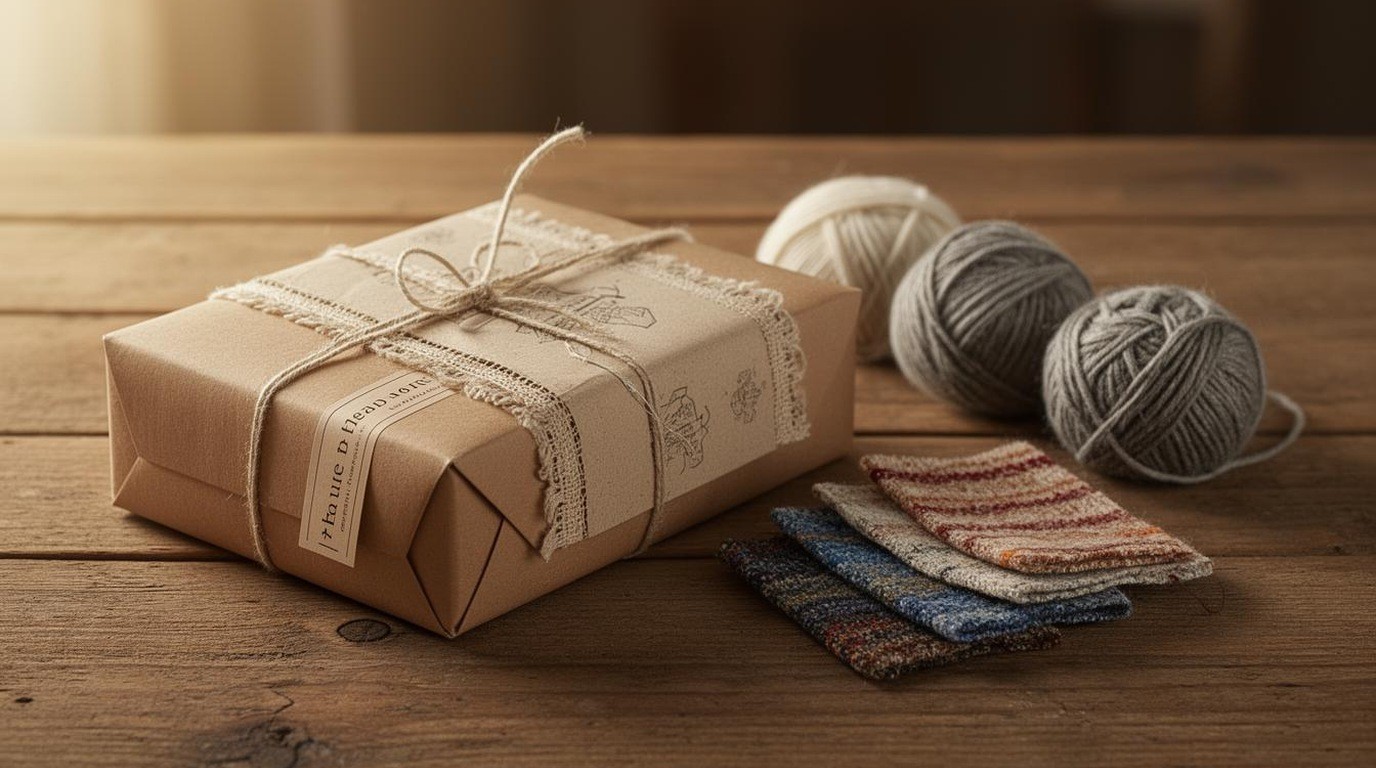
Materials affect both the experience and the safety of a craft. Natural fibers such as wool and cotton are pleasant to work with and suit most beginners. Synthetic materials can be easier to handle or cheaper, but they can feel less pleasant. Think about any allergies or sensitivities the recipient may have, and check the packaging for information about the materials used.
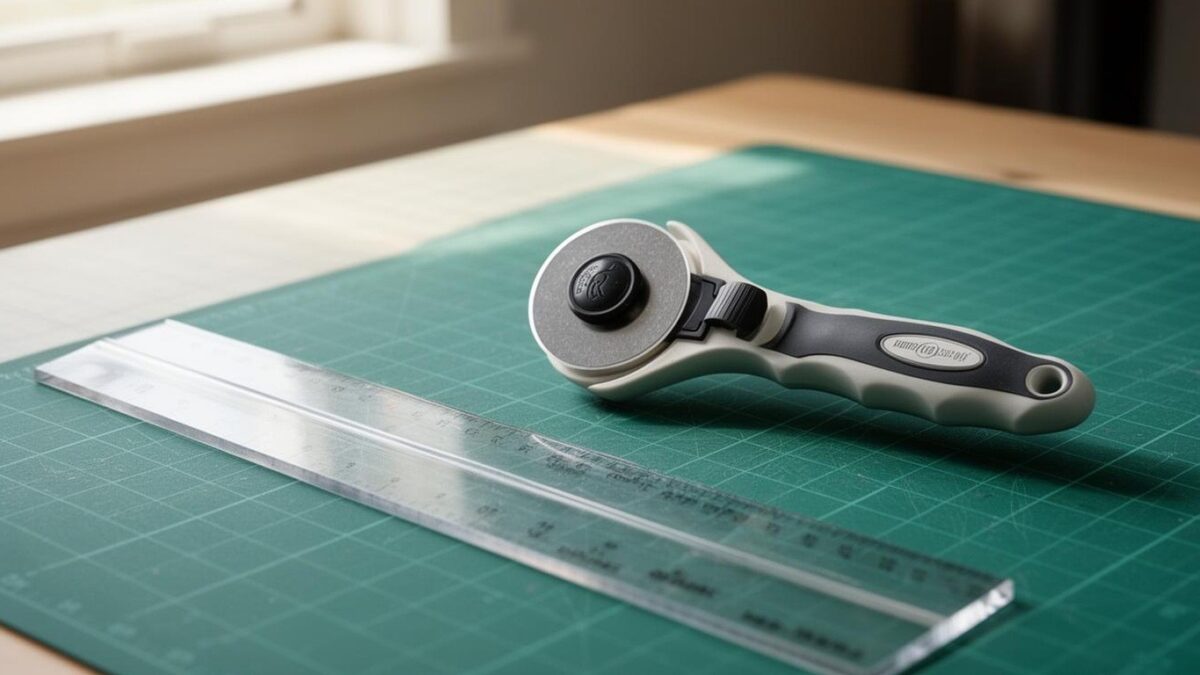
Some crafts involve tools that need care. Scissors, needles and cutting blades should be stored safely, and some kits include chemicals or heat sources. Check the instructions for any warnings, and choose a kit that matches the recipient’s safety habits. Keep children and pets in mind if the gift is for a household with them.
| Factor | What to check | Why it matters |
|---|---|---|
| Interests | Hobbies and favorite activities | Increases the chance of use |
| Skill level | Instructions and difficulty | Keeps the experience enjoyable |
| Completeness | All materials and tools included | Avoids a second shopping trip |
| Materials | Comfort, allergies and safety | Protects the user |
| Space | Room for the project | Makes starting easy |
Plan the space and the time
Consider where the recipient will work. A craft that needs a large table or a sewing machine may not suit a small apartment, while a compact project may fit on a kitchen counter. Think about the time they have. A kit that takes a few evenings to finish can be a satisfying project, but a very long one may feel daunting.
A small storage box or a project bag is a thoughtful addition. It keeps the materials together between sessions and makes the hobby feel organized from the start.
Present the gift with encouragement
Include a short note about why you chose the kit and what you hope the recipient will enjoy. Mention that the project is meant to be fun, not perfect, and offer to join them for a session if you know the craft well. Keep the receipt in case the kit is not right, and check the return policy before you buy, since some sellers do not accept returns on opened craft materials.
Our guide to quilting supplies on a budget covers the tools that suit many textile crafts, and choosing a first sewing machine explains how a machine might fit into a sewing gift.
Kits for shared activities
A kit that suits two people can be a fun gift for a couple, a parent and child or friends who want to try something together. Choose a kit with enough materials for both people, and include a note suggesting a date to start the project. Shared crafts can turn a solitary hobby into a social one, and they make the gift feel generous.
Workspace and storage
A tidy workspace makes a craft easier to enjoy. Suggest a tray, a shelf or a small cart where materials can be kept between sessions. A clear container for thread, fabric or beads keeps small items from disappearing. Adding a storage piece to the gift, or pairing it with a note about setting up a simple workspace, helps the hobby stay organized from the start.
The short version
Choose a craft gift that matches the recipient’s interests, skill level and space. Check that the kit includes all the materials and tools, pay attention to the materials and safety notes and add a project bag or storage box if you can. A short, encouraging note makes the gift an invitation to try something new. The best craft gift is one that the recipient finishes, or at least enjoys starting.
Craft gift myths
Myth: A complicated kit shows more care.
Reality: A kit that fits the recipient’s skill and time is more likely to be finished and enjoyed.
Myth: Materials do not matter for a gift.
Reality: Comfort, allergies and safety of the materials all affect the experience.
Myth: Craft gifts cannot be returned.
Reality: Return rules vary, especially for opened materials. Check them before buying.